Issues · Destinations
Give Moreno Valley somewhere to go.
About 215,000 people live in Moreno Valley. For a nice dinner, we drive to Riverside or Redlands. In Sunnymead Ranch, people drive down the hill just to buy groceries. At Heacock and Ironwood, the land that could have been a place to shop and eat went to warehouses instead.
← All issuesImagine a place like this, close to home.
Watch David’s Food Lab video: a vision for turning an empty storefront into a place to eat, gather, and support local restaurants.
Food Lab concept renderings illustrate a possibility, not an approved project.
What you already know
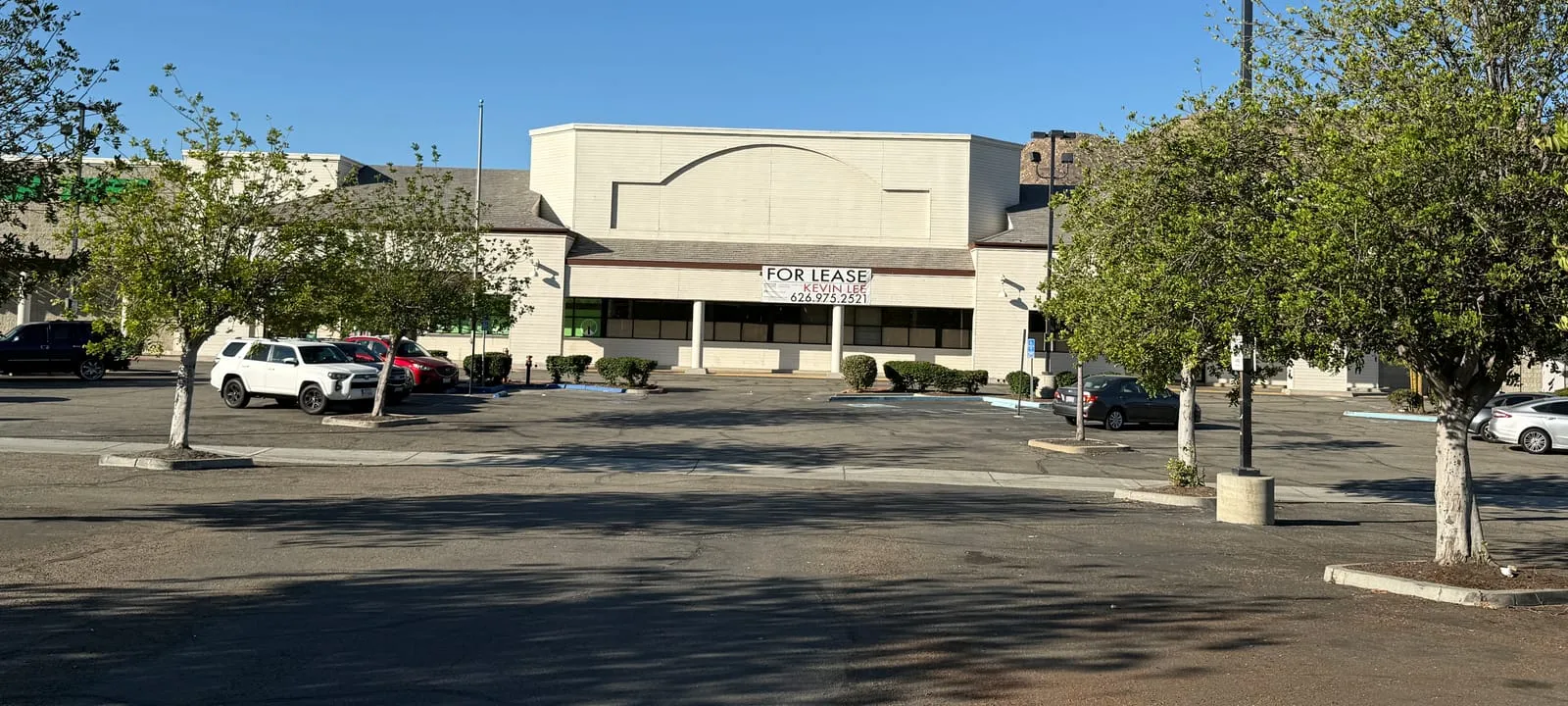
Sunnymead Ranch has thousands of homes and an empty supermarket. The neighborhood has one shopping center, Lakeshore Village, right at the lake. The supermarket that anchored it, a former Ralphs, closed about a decade ago. Nothing has replaced it. Thousands of families drive down the hill for a gallon of milk, past a building of more than 33,000 square feet with its lights off.
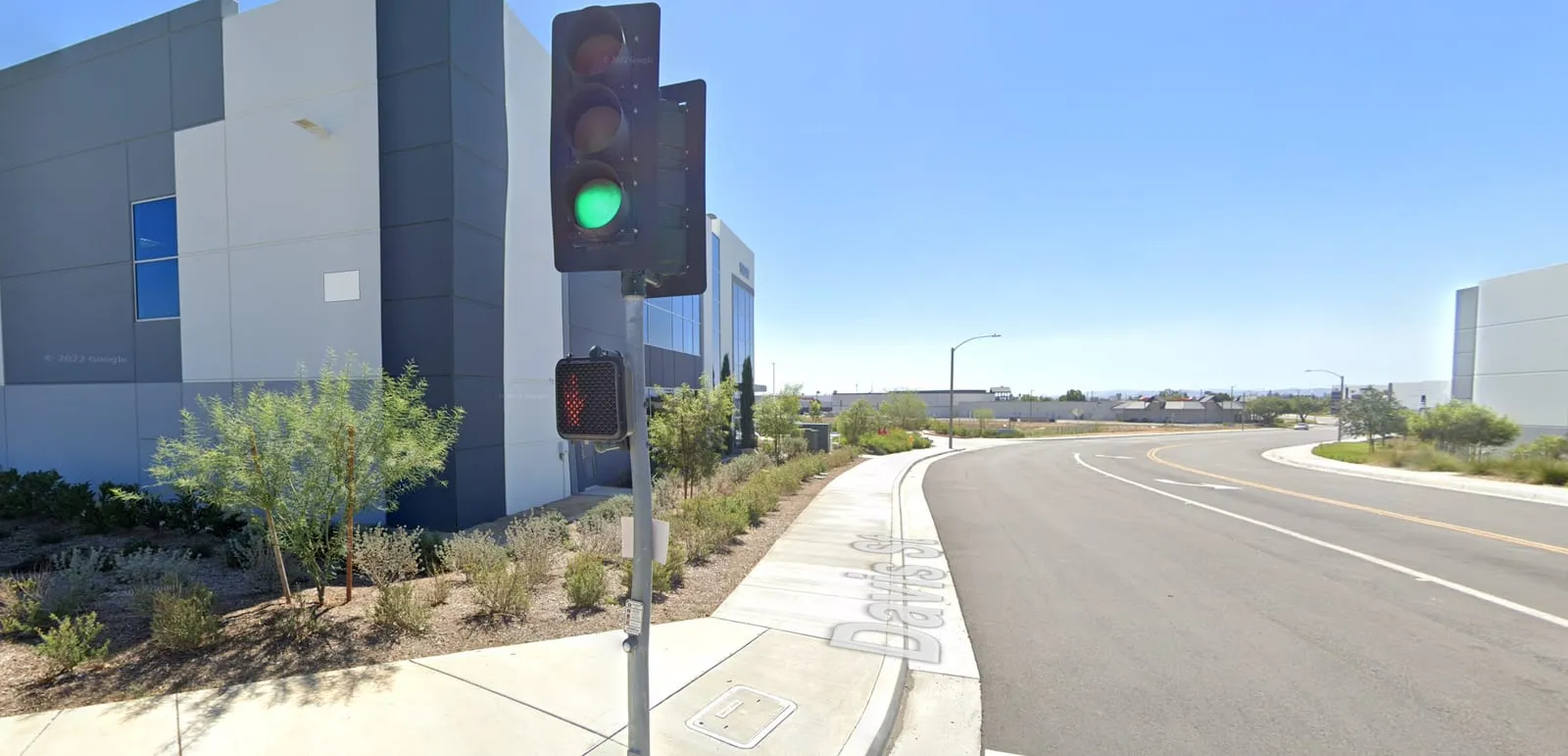
The best corner in the district went to warehouses. The land at Heacock and Ironwood could have been a place to shop, eat, and meet up. It could have been a smaller version of Victoria Gardens, close to home. Instead it went to warehouses. Once a warehouse goes up, that land is gone for a generation.
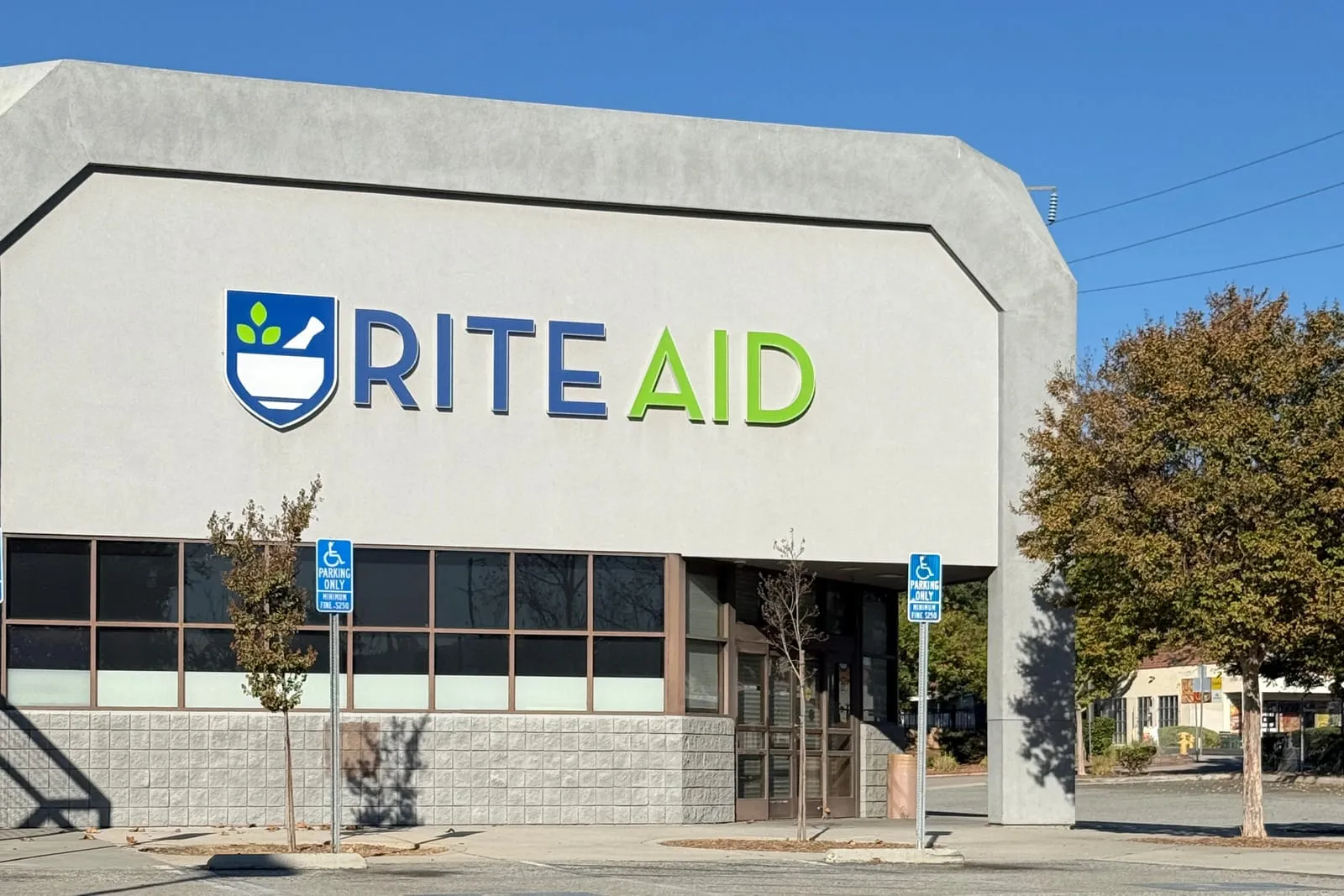
Across the street, an empty pharmacy. The former Rite Aid at Heacock and Ironwood has sat dark for a couple of years. It's a ready-made building on a busy corner, and nobody at City Hall seems to be working to fill it.
City Hall has a plan. It doesn't have a deadline. The city's 2024 Economic Development Strategic Plan lists 239 initiatives. Neighborhood grocery stores are in it. So are food halls, sit-down restaurants, and a downtown gathering place. What's missing is a date on any of them, and the plan says all 239 will be done with the staff the city already has.
Our new jobs are warehouse jobs. That same plan reports that more than 60 percent of the jobs added in Moreno Valley between 2011 and 2022 were in transportation, warehousing, and utilities. The average Moreno Valley worker still spends about 35 minutes getting to work, each way.
Other cities get destinations. In 2025, Redlands turned an old citrus packing house into a public market with more than 20 local food vendors, a patio, and live music. We get warehouses and car washes.
Millions of people drive through. Few have a reason to stop. By the city's own count, more than 56 million people a year pass through Moreno Valley on the 60 and the 215, many of them headed to the outlets in Cabazon and the desert. There are a lot of reasons to drive through Moreno Valley, and not many reasons to stop.
Approved isn't open. City Hall approved a makeover of the Moreno Valley Mall in 2023, and a new Town Center after that. The warehouses got built. We're still waiting for the restaurants.
When we leave to eat and shop, our money leaves with us. Every dinner in Redlands and every shopping trip to Riverside sends sales tax to their police, their parks, and their streets. Not ours.
What David will do
Get a grocery store back in Sunnymead Ranch.
The city can't sign a lease or make a grocer open a store. It can pick up the phone. David wants that empty building to be the economic development office's top assignment: call grocers and brokers directly, put incentives and grants on the table, work with the property owner, and report progress to the neighborhood every quarter until the doors open. The city's own plan already calls for recruiting grocers and offering incentive packages. Start here. The people in charge of growing our economy should be working this, not waiting on the next warehouse.
Put deadlines on the plan.
Pick the initiatives residents care about most, attach dates and names to them, and publish a scorecard every year. A plan without a deadline is a wish list.
Recruit destinations the way City Hall recruits warehouses.
Restaurants, shops, venues, and entertainment get the same energy, the same attention, and the same urgency.
Give people a reason to pull off the freeway.
The mall redevelopment promised a food market, and the mall sits right on the 60. David wants that promise kept as a public market, with stalls set aside for local cooks and shop owners who come up through a city business incubator. A place where a neighbor with a good idea can afford to open a counter, and a reason for someone headed to the desert to stop here.
Bring healthcare closer to home.
The city's own plan calls Moreno Valley an underserved healthcare market. David wants more doctors' offices, urgent care, and specialists here, so a medical appointment doesn't mean a drive to another city.
Attract major employers that offer careers.
Healthcare, manufacturing, technology, and professional offices. Moreno Valley already has two hospitals, a college, and its own electric utility that can offer incentives to employers who hire locally. David wants those tools aimed at career-wage jobs, not just more distribution centers.
Hold approved projects to their promises.
The mall and the Town Center were sold to residents as places to go. David will ask for public timelines and regular progress reports until they deliver.
Protect neighborhoods and open space.
Growth should add to the quality of life here, not take it away.
Why David
David has run a small business in Moreno Valley for decades. He knows what it takes to open your doors here, and what gets in the way. He has lived in District 2 for more than 40 years, long enough to remember what this city was promised and to notice what it got.
"We need growth that makes sense, and a council that listens to the residents, before the outsiders."